Freight

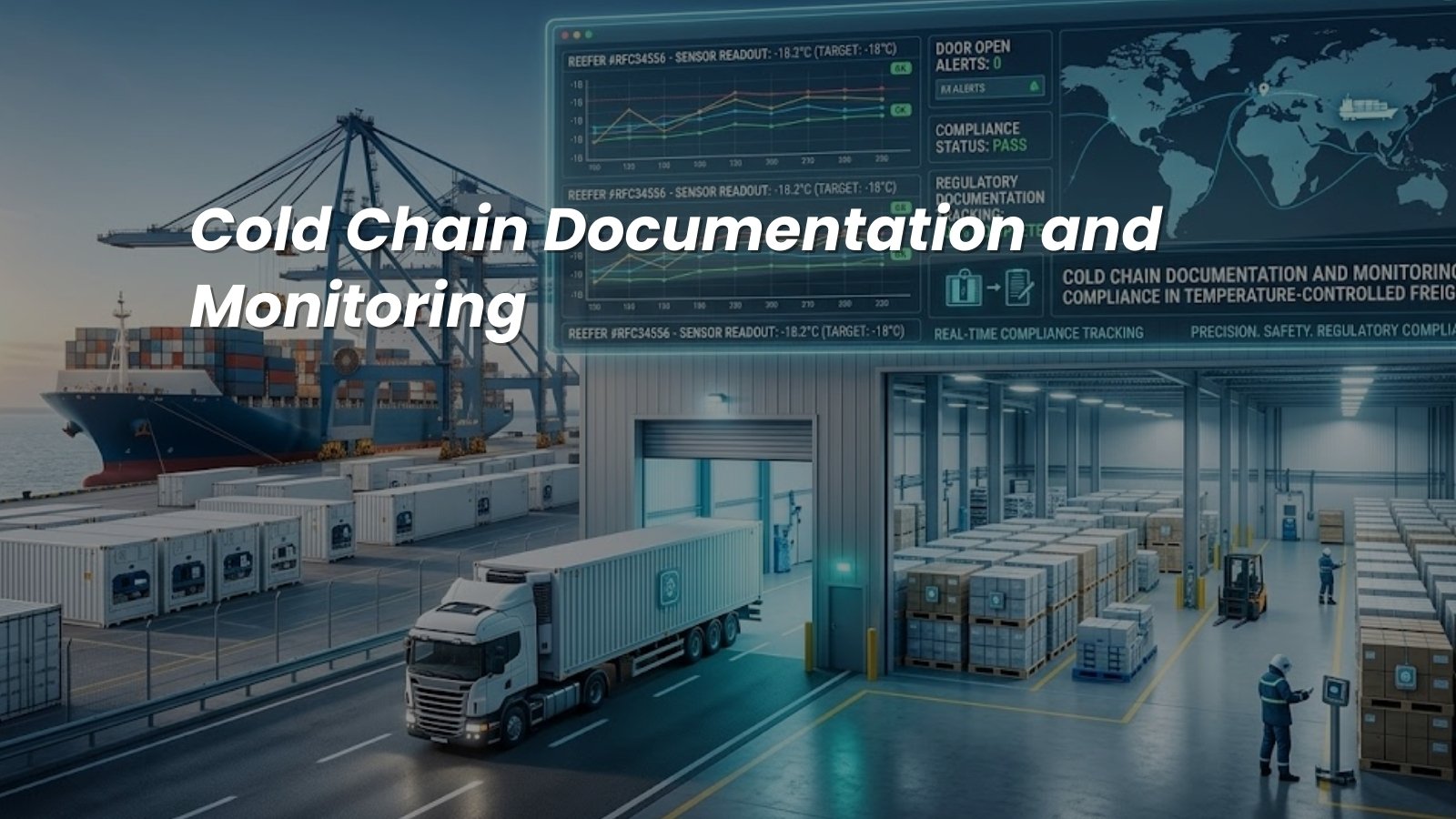
Cold Chain Documentation and Monitoring: Compliance in Temperature-Controlled Freight

Temperature-controlled freight requires synchronized cold chain documentation and monitoring to protect cargo integrity.

This long-form authority article explores the subject in depth, covering operational flow, compliance checkpoints, documentation coordination, cost exposure variables, risk mitigation strategy, transit impact, internal workflow alignment, and real-world freight execution scenarios.

The article explains how the service works end-to-end, what practical challenges businesses face, and how structured planning reduces delays and financial exposure.

Operational Structure and Process Flow

In logistics operations, success depends on coordination across multiple touchpoints. From origin documentation preparation to warehouse handling, port interaction, customs review, and final-mile distribution, each step introduces timing and compliance variables.

Clear documentation alignment between commercial invoice, packing list, bill of lading, and regulatory declarations reduces rework at border or port facilities. Structured pre-shipment verification prevents transit interruptions.

Coordination Between Stakeholders

Effective freight execution requires coordination between:

• Warehouse teams 
• Customs brokers 
• Carriers and drayage providers 
• Compliance departments 
• Finance and trade teams 

Misalignment between these groups often leads to avoidable delays. Standardized workflows and shared shipment visibility tools reduce friction.

Risk Factors and Mitigation

Operational risk in this area typically includes:

• Documentation inconsistencies 
• Inspection probability 
• Congestion-related dwell time 
• Capacity volatility 
• Seasonal volume spikes 
• Handling damage exposure 

Mitigation strategies involve structured buffer planning, digital documentation systems, supplier coordination protocols, and contingency routing options.

Cost Exposure Variables

Freight and logistics cost is influenced by:

• Storage duration 
• Handling frequency 
• Reclassification or compliance corrections 
• Capacity market fluctuations 
• Inspection-related labor 
• Equipment availability 

Transparent planning improves landed cost predictability.

Regulatory and Compliance Considerations

Depending on cargo type, regulatory review may involve customs authorities, agricultural agencies, health inspectors, or safety regulators. Maintaining audit-ready documentation archives supports smoother clearance and reduces post-entry audit risk.

Technology Integration

Digital systems improve accuracy by:

• Automating document matching 
• Flagging inconsistent values 
• Tracking shipment milestones 
• Providing early alerts for compliance gaps 

Technology supports visibility but does not replace process discipline.

Scenario Planning

Businesses that model best-case, standard-case, and delay-case scenarios build resilient operations. Inventory buffers, alternate routing, and carrier redundancy reduce disruption impact.

Frequently Asked Questions

How can transit variability be reduced?
By standardizing documentation, coordinating stakeholders early, and building realistic time buffers.

What is the most common cause of delay?
Documentation mismatch and compliance review remain primary contributors.

Does better planning reduce inspection frequency?
Consistent compliance history often lowers risk scoring in automated systems.

How should companies prepare for audits?
Maintain organized records, classification justification, valuation consistency, and trade agreement documentation.

Final Considerations

Operational efficiency in this area is less about speed and more about coordination, accuracy, and structured risk management. Companies that integrate compliance, warehousing, transportation, and financial oversight into one aligned workflow achieve more predictable outcomes and lower disruption exposure.

Temperature-controlled freight requires synchronized cold chain documentation and monitoring to protect cargo integrity.

This long-form authority article explores the subject in depth, covering operational flow, compliance checkpoints, documentation coordination, cost exposure variables, risk mitigation strategy, transit impact, internal workflow alignment, and real-world freight execution scenarios.

The article explains how the service works end-to-end, what practical challenges businesses face, and how structured planning reduces delays and financial exposure.

Operational Structure and Process Flow

In logistics operations, success depends on coordination across multiple touchpoints. From origin documentation preparation to warehouse handling, port interaction, customs review, and final-mile distribution, each step introduces timing and compliance variables.

Clear documentation alignment between commercial invoice, packing list, bill of lading, and regulatory declarations reduces rework at border or port facilities. Structured pre-shipment verification prevents transit interruptions.

Coordination Between Stakeholders

Effective freight execution requires coordination between:

• Warehouse teams 
• Customs brokers 
• Carriers and drayage providers 
• Compliance departments 
• Finance and trade teams 

Misalignment between these groups often leads to avoidable delays. Standardized workflows and shared shipment visibility tools reduce friction.

Risk Factors and Mitigation

Operational risk in this area typically includes:

• Documentation inconsistencies 
• Inspection probability 
• Congestion-related dwell time 
• Capacity volatility 
• Seasonal volume spikes 
• Handling damage exposure 

Mitigation strategies involve structured buffer planning, digital documentation systems, supplier coordination protocols, and contingency routing options.

Cost Exposure Variables

Freight and logistics cost is influenced by:

• Storage duration 
• Handling frequency 
• Reclassification or compliance corrections 
• Capacity market fluctuations 
• Inspection-related labor 
• Equipment availability 

Transparent planning improves landed cost predictability.

Regulatory and Compliance Considerations

Depending on cargo type, regulatory review may involve customs authorities, agricultural agencies, health inspectors, or safety regulators. Maintaining audit-ready documentation archives supports smoother clearance and reduces post-entry audit risk.

Technology Integration

Digital systems improve accuracy by:

• Automating document matching 
• Flagging inconsistent values 
• Tracking shipment milestones 
• Providing early alerts for compliance gaps 

Technology supports visibility but does not replace process discipline.

Scenario Planning

Businesses that model best-case, standard-case, and delay-case scenarios build resilient operations. Inventory buffers, alternate routing, and carrier redundancy reduce disruption impact.

Frequently Asked Questions

How can transit variability be reduced?
By standardizing documentation, coordinating stakeholders early, and building realistic time buffers.

What is the most common cause of delay?
Documentation mismatch and compliance review remain primary contributors.

Does better planning reduce inspection frequency?
Consistent compliance history often lowers risk scoring in automated systems.

How should companies prepare for audits?
Maintain organized records, classification justification, valuation consistency, and trade agreement documentation.

Final Considerations

Operational efficiency in this area is less about speed and more about coordination, accuracy, and structured risk management. Companies that integrate compliance, warehousing, transportation, and financial oversight into one aligned workflow achieve more predictable outcomes and lower disruption exposure.

Temperature-controlled freight requires synchronized cold chain documentation and monitoring to protect cargo integrity.

This long-form authority article explores the subject in depth, covering operational flow, compliance checkpoints, documentation coordination, cost exposure variables, risk mitigation strategy, transit impact, internal workflow alignment, and real-world freight execution scenarios.

The article explains how the service works end-to-end, what practical challenges businesses face, and how structured planning reduces delays and financial exposure.

Operational Structure and Process Flow

In logistics operations, success depends on coordination across multiple touchpoints. From origin documentation preparation to warehouse handling, port interaction, customs review, and final-mile distribution, each step introduces timing and compliance variables.

Clear documentation alignment between commercial invoice, packing list, bill of lading, and regulatory declarations reduces rework at border or port facilities. Structured pre-shipment verification prevents transit interruptions.

Coordination Between Stakeholders

Effective freight execution requires coordination between:

• Warehouse teams 
• Customs brokers 
• Carriers and drayage providers 
• Compliance departments 
• Finance and trade teams 

Misalignment between these groups often leads to avoidable delays. Standardized workflows and shared shipment visibility tools reduce friction.

Risk Factors and Mitigation

Operational risk in this area typically includes:

• Documentation inconsistencies 
• Inspection probability 
• Congestion-related dwell time 
• Capacity volatility 
• Seasonal volume spikes 
• Handling damage exposure 

Mitigation strategies involve structured buffer planning, digital documentation systems, supplier coordination protocols, and contingency routing options.

Cost Exposure Variables

Freight and logistics cost is influenced by:

• Storage duration 
• Handling frequency 
• Reclassification or compliance corrections 
• Capacity market fluctuations 
• Inspection-related labor 
• Equipment availability 

Transparent planning improves landed cost predictability.

Regulatory and Compliance Considerations

Depending on cargo type, regulatory review may involve customs authorities, agricultural agencies, health inspectors, or safety regulators. Maintaining audit-ready documentation archives supports smoother clearance and reduces post-entry audit risk.

Technology Integration

Digital systems improve accuracy by:

• Automating document matching 
• Flagging inconsistent values 
• Tracking shipment milestones 
• Providing early alerts for compliance gaps 

Technology supports visibility but does not replace process discipline.

Scenario Planning

Businesses that model best-case, standard-case, and delay-case scenarios build resilient operations. Inventory buffers, alternate routing, and carrier redundancy reduce disruption impact.

Frequently Asked Questions

How can transit variability be reduced?

By standardizing documentation, coordinating stakeholders early, and building realistic time buffers.

Documentation mismatch and compliance review remain primary contributors.

Consistent compliance history often lowers risk scoring in automated systems.

Maintain organized records, classification justification, valuation consistency, and trade agreement documentation.