Introduction
In global logistics, decisions around cost, timing, and operational risk are rarely simple.
Businesses moving freight internationally must understand how transportation charges,
warehousing strategy, port handling, and seasonal cycles affect overall shipment outcomes.
This article explains the topic in practical terms, focusing on how logistics works in
real operations rather than theoretical definitions.
Understanding the Core Issue
Logistics costs are rarely driven by a single factor. Ocean freight rates fluctuate based
on fuel costs, equipment availability, demand cycles, and regulatory conditions. In
addition, warehousing, handling, detention, demurrage, and documentation requirements
all contribute to total landed cost. Companies that evaluate transportation without
considering these surrounding elements often miscalculate budgets and timelines.
Real-World Operational Impact
In practical shipping environments, delays usually occur at handoff points — port
arrival, customs clearance, warehouse staging, or carrier dispatch. A shipment that
arrives on time can still incur additional charges if documentation is incomplete or
if warehouse slots are not scheduled properly. These are operational realities that
experienced shippers plan for in advance.
Cost Structure Explained
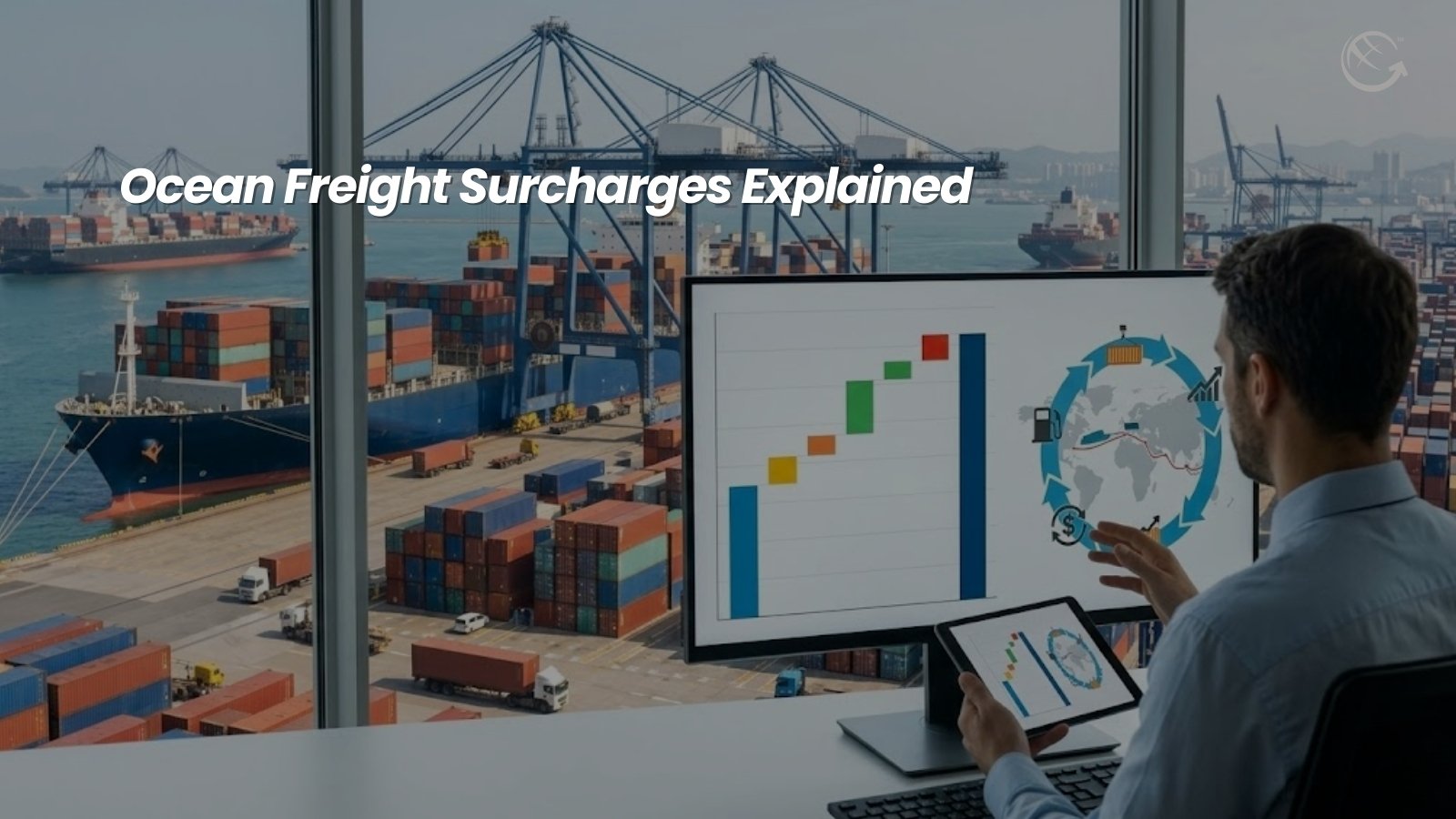
Freight pricing is layered. Base transportation is only one component. Accessorial
charges such as chassis usage, storage, inspection fees, or peak season surcharges
can increase total cost significantly. Understanding how these charges accumulate
allows businesses to negotiate smarter contracts and avoid avoidable penalties.
Planning for Risk
Effective logistics planning includes buffer time, alternative routing options,
proper packaging standards, and coordination between warehouse and transportation
teams. Risk cannot be eliminated, but it can be managed. Businesses that monitor
shipment milestones closely are better positioned to respond to disruption quickly.
Strategic Coordination
Transportation, warehousing, and customs compliance should not operate in isolation.
When departments share visibility into shipment status, document readiness, and
arrival scheduling, delays reduce and cost predictability improves. Integration
matters more than speed in many supply chains.
Common Mistakes
Many companies focus only on rate comparison. However, selecting the lowest freight
quote without evaluating service reliability, free time allowances, and documentation
support can create downstream expense. Similarly, ignoring seasonal capacity cycles
often results in rushed, high-cost expedited moves.
Practical Takeaways
Businesses that succeed in logistics planning typically:
– Forecast shipment volumes quarterly
– Build buffer time into transit schedules
– Confirm documentation accuracy before dispatch
– Coordinate warehouse intake with port arrival
– Understand contract terms in detail
Frequently Asked Questions
Why do freight costs fluctuate so often?
Freight rates respond to global demand, fuel prices, and equipment availability.
How can detention and demurrage be reduced?
By coordinating container pickup and customs clearance before free time expires.
Is warehousing always necessary?
Not always, but staging space helps manage unpredictable port or border delays.
What is the biggest cause of unexpected logistics cost?
Poor planning around documentation and seasonal congestion.
How far in advance should peak season planning start?
Ideally 2–3 months before anticipated volume increases.