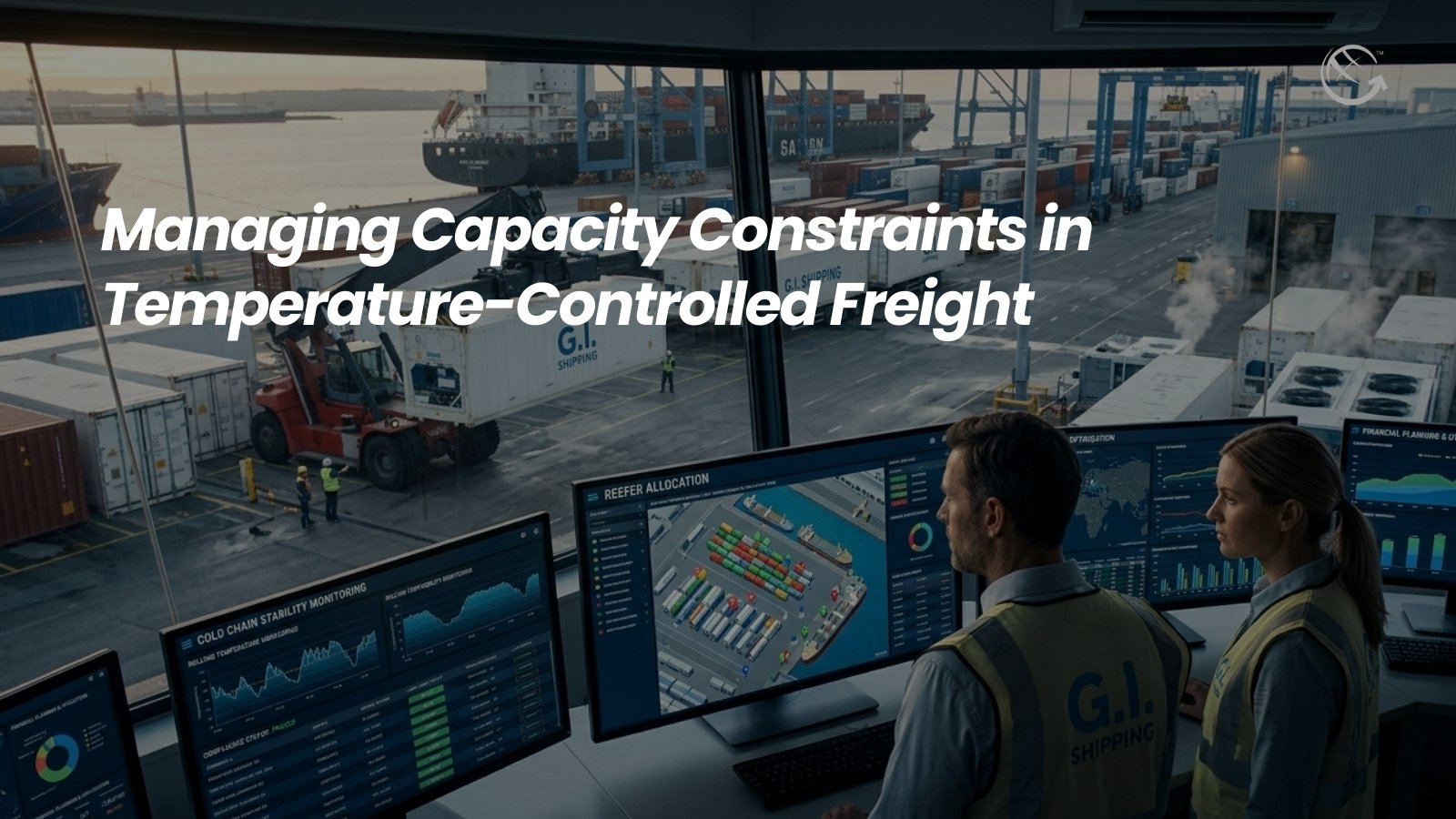
In today’s global supply chain, temperature-controlled freight plays a critical role in transporting sensitive goods such as pharmaceuticals, fresh produce, frozen foods, chemicals, and biologics. As demand for these products continues to rise, logistics providers like Gandhi Shipping face increasing pressure to manage limited refrigerated transport capacity efficiently while maintaining strict temperature integrity.
This article explores the challenges behind capacity constraints in cold-chain logistics and practical strategies businesses can use to overcome them.
Understanding Capacity Constraints in Cold Chain Logistics
Temperature-controlled freight requires specialized equipment, trained personnel, and precise coordination. Unlike standard shipping, reefer containers, refrigerated trucks, and climate-controlled warehouses are limited resources. Capacity constraints occur when demand for these resources exceeds availability.
Common causes include:
- Seasonal spikes in agricultural exports
- Sudden pharmaceutical distribution surges
- Equipment shortages
- Port congestion
- Regulatory compliance delays
- Fuel cost fluctuations
When capacity tightens, shipping delays, spoilage risks, and cost increases become more likely, making proactive planning essential.
Why Temperature-Controlled Freight Is More Challenging
Managing refrigerated cargo is more complex than handling dry goods because temperature deviations can destroy product value. For example:
- Vaccines must remain within strict temperature ranges.
- Fresh seafood requires constant cold storage.
- Dairy and frozen foods must avoid thawing.
Even short exposure to improper temperatures can lead to rejected shipments, financial loss, and reputational damage. This makes capacity planning not just a logistics concern but also a quality-control priority.
Strategies to Manage Capacity Constraints
Forecast Demand Accurately
Using historical shipping data and predictive analytics helps logistics providers anticipate peak demand periods. Early forecasting allows companies to secure equipment and space before shortages occur.
Build Strong Carrier Partnerships
Maintaining relationships with multiple carriers ensures backup options when capacity tightens. Strategic partnerships provide flexibility and priority access to equipment.
Optimize Load Planning
Efficient cargo consolidation maximizes available space. Smart load planning reduces partially filled containers and ensures optimal utilization of refrigerated units.
Use Flexible Routing
Alternative ports, routes, or intermodal combinations can help avoid congested corridors. Flexibility allows shipments to move even when primary routes are overloaded.
Invest in Technology
Digital freight platforms, IoT sensors, and real-time monitoring systems improve visibility and coordination. These tools help logistics managers track capacity, monitor temperature conditions, and respond quickly to disruptions.
Frequently Asked Questions
What is temperature-controlled freight?
Temperature-controlled freight refers to transportation systems designed to maintain specific temperature ranges for sensitive goods such as food, pharmaceuticals, chemicals, and agricultural products during transit.
Why do capacity constraints occur in cold-chain logistics?
Capacity constraints usually happen due to high seasonal demand, limited refrigerated equipment, port congestion, regulatory delays, and rising fuel costs that restrict available transport resources.
How can businesses reduce the risk of shipment delays?
Businesses can minimize delays by booking shipments early, diversifying carrier partnerships, using flexible routes, and leveraging real-time tracking technology for better shipment visibility.
What happens if temperature-controlled cargo exceeds its required temperature range?
If cargo temperature deviates from its required range, it may spoil, lose effectiveness, fail quality inspections, or be rejected entirely—resulting in financial losses and supply chain disruptions.
What technologies help manage cold-chain capacity efficiently?
Technologies such as IoT temperature sensors, GPS tracking, predictive analytics, and automated logistics platforms help monitor shipments, forecast demand, and optimize equipment usage.