Why Warehousing Is More Than Storage
Warehousing in modern logistics functions as a flow-control mechanism rather than a static storage facility. Businesses rely on warehouses to stage, consolidate, inspect, repackage, and coordinate freight before final distribution. In cross-border and domestic supply chains, warehousing reduces congestion risk, aligns documentation timing, and protects downstream production schedules.
Core Operational Components
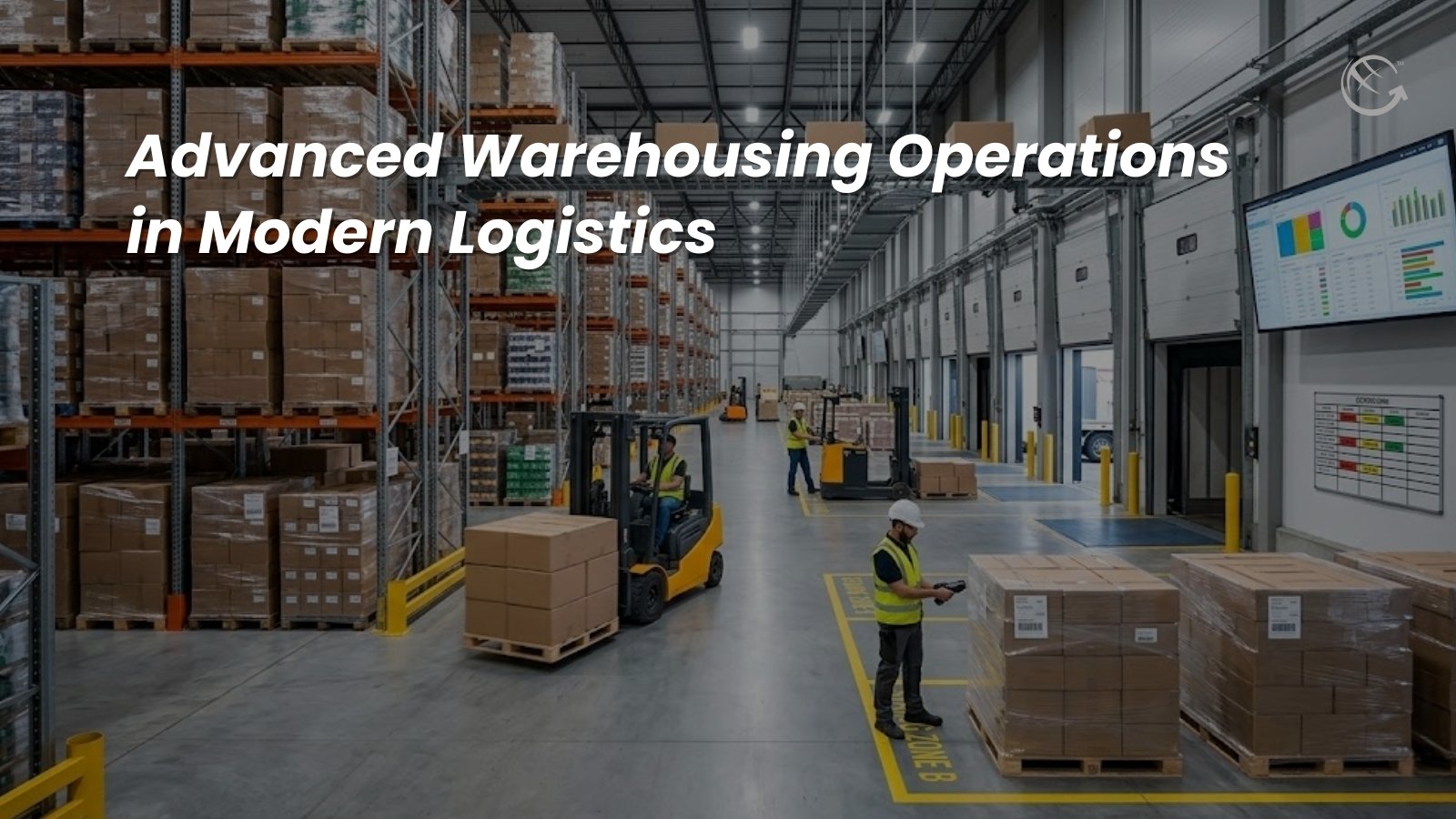
Advanced warehouse operations include inbound scheduling, quality checks, inventory system integration, barcode scanning, staging, outbound load planning, and coordination with carriers. Each stage must align with transportation timelines and customs clearance processes.
Warehouse and Freight Synchronization
Poor synchronization between warehouse teams and transport providers creates missed pickups and avoidable detention charges. Structured dock scheduling and digital appointment systems improve on-time performance.
Cost Drivers in Warehousing
Costs are influenced by dwell time, pallet handling frequency, storage type (rack vs floor), labor intensity, and special handling needs such as temperature control or bonded storage.
Risk Mitigation Through Structured Processes
Warehousing risk includes damage exposure, inventory miscounts, documentation mismatch, and congestion. Barcode-based tracking, documented SOPs, and inventory reconciliation cycles reduce errors.
Frequently Asked Questions
What increases warehousing cost most?
Dwell time and handling frequency. Can warehousing reduce border delays? Yes, by staging freight before clearance. Does warehousing replace freight planning? No, it supports it.