Warehousing & Brokerage Port Services: Operational Deep Dive for Importers and Exporters January 15, 2026 / April 3, 2026 by admin@gis | Leave a Comment What Port Services Actually Include Port services involve container unloading, terminal coordination, drayage scheduling, customs holds management, and release processing. Efficient port coordination reduces demurrage exposure. Demurrage and Detention Explained Demurrage applies when containers remain at the terminal beyond free time. Detention applies when containers are not returned promptly. Managing Terminal Congestion Advanced appointment scheduling […] Read more »
Warehousing & Brokerage Bonded Warehousing Explained for Importers and Exporters January 12, 2026 / April 3, 2026 by admin@gis | Leave a Comment What Is Bonded Warehousing? Bonded warehouses allow imported goods to be stored without immediate duty payment until goods are released into domestic circulation. This structure supports cash flow management and delayed duty exposure. How Bonded Storage Supports Trade Businesses use bonded facilities when goods are awaiting resale, re-export, or regulatory review. Duties are only assessed […] Read more »
Warehousing & Brokerage Advanced Warehousing Operations in Modern Logistics January 12, 2026 / April 3, 2026 by admin@gis | Leave a Comment Why Warehousing Is More Than Storage Warehousing in modern logistics functions as a flow-control mechanism rather than a static storage facility. Businesses rely on warehouses to stage, consolidate, inspect, repackage, and coordinate freight before final distribution. In cross-border and domestic supply chains, warehousing reduces congestion risk, aligns documentation timing, and protects downstream production schedules. Core […] Read more »
Warehousing & Brokerage Capacity Planning and Rate Volatility in Freight Markets: A Strategic Approach January 11, 2026 / April 3, 2026 by admin@gis | Leave a Comment Freight markets fluctuate due to seasonal demand, fuel costs, geopolitical shifts, and carrier capacity constraints. This long-form authority article explores the subject in depth, covering operational flow, compliance checkpoints, documentation coordination, cost exposure variables, risk mitigation strategy, transit impact, internal workflow alignment, and real-world freight execution scenarios. The article explains how the service works end-to-end, […] Read more »
Warehousing & Brokerage Freight Brokerage vs Freight Forwarding: Structural Differences in Capacity Sourcing January 10, 2026 / April 3, 2026 by admin@gis | Leave a Comment Freight brokerage and freight forwarding serve distinct operational roles in international and domestic logistics. This long-form authority article explores the subject in depth, covering operational flow, compliance checkpoints, documentation coordination, cost exposure variables, risk mitigation strategy, transit impact, internal workflow alignment, and real-world freight execution scenarios. The article explains how the service works end-to-end, what […] Read more »
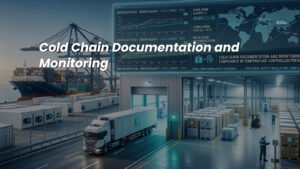
Warehousing & Brokerage Cold Chain Documentation and Monitoring: Compliance in Temperature-Controlled Freight January 9, 2026 / April 3, 2026 by admin@gis | Leave a Comment Frequently Asked Questions Temperature-controlled freight requires synchronized cold chain documentation and monitoring to protect cargo integrity. This long-form authority article explores the subject in depth, covering operational flow, compliance checkpoints, documentation coordination, cost exposure variables, risk mitigation strategy, transit impact, internal workflow alignment, and real-world freight execution scenarios. The article explains how the service works […] Read more »
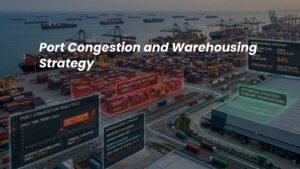
Warehousing & Brokerage Port Congestion and Warehousing Strategy: Managing Dwell Time and Inventory Risk January 9, 2026 / April 3, 2026 by admin@gis | Leave a Comment Port congestion introduces dwell time risk that impacts warehousing capacity, inventory flow, and cost exposure. This long-form authority article explores the subject in depth, covering operational flow, compliance checkpoints, documentation coordination, cost exposure variables, risk mitigation strategy, transit impact, internal workflow alignment, and real-world freight execution scenarios. The article explains how the service works end-to-end, […] Read more »
Warehousing & Brokerage Warehousing and Customs Coordination: Reducing Clearance Delays Through Operational Alignment January 8, 2026 / April 3, 2026 by admin@gis | Leave a Comment Warehousing and customs coordination directly influence clearance timelines in cross-border and international freight. This long-form authority article explores the subject in depth, covering operational flow, compliance checkpoints, documentation coordination, cost exposure variables, risk mitigation strategy, transit impact, internal workflow alignment, and real-world freight execution scenarios. The article explains how the service works end-to-end, what practical […] Read more »
Warehousing & Brokerage Warehousing Explained: The Operational Backbone of Freight Flow January 8, 2026 / April 3, 2026 by admin@gis | Leave a Comment This long-form authority article explores the subject in operational depth, focusing on real-world freight execution, compliance variables, cost drivers, risk management, and practical planning considerations. The discussion covers how the service works end-to-end, common operational challenges, regulatory requirements where applicable, cost implications, documentation standards, inspection risk, seasonal fluctuations, and strategic decision-making considerations. It also includes […] Read more »
Cross-Border Freight Building a Cross-Border Freight Risk Management Strategy: Reducing Delays, Penalties, and Supply Chain Disruption January 7, 2026 / April 3, 2026 by admin@gis | Leave a Comment Cross-Border Freight Risk Management Strategy Cross-border freight introduces more variables than domestic transportation. When goods move between countries, they encounter customs systems, regulatory reviews, inspection protocols, documentation requirements, and shifting trade policies. These layers create risk—not because borders are inherently inefficient, but because compliance and coordination become more complex. A structured risk management strategy helps […] Read more »