Truckload & LTL When to Switch From LTL to FTL: Signs Your Shipping Strategy Needs an Upgrade February 23, 2026 / March 20, 2026 by admin@gis | Leave a Comment As businesses grow, their shipping patterns evolve. What once worked efficiently under a Less Than Truckload (LTL) model may eventually justify a transition to Full Truckload (FTL). Recognizing when to switch from LTL to FTL helps control costs, improve transit reliability, and reduce operational complexity. One of the clearest signs is increasing shipment volume. If […] Read more »
Truckload & LTL LTL for Regular Distribution: Best Practices for Consistent Shipping February 23, 2026 / March 20, 2026 by admin@gis | Leave a Comment Many businesses rely on Less Than Truckload (LTL) freight for recurring distribution to retailers, warehouses, or regional partners. While LTL is cost-efficient for mid-sized shipments, consistency depends on structured planning and repeatable processes. When used strategically, LTL can support steady inventory flow without requiring full truckloads. The first best practice is shipment standardization. Using consistent […] Read more »
Truckload & LTL How to Reduce LTL Claims and Delivery Issues February 23, 2026 / March 20, 2026 by admin@gis | Leave a Comment Less Than Truckload (LTL) shipping is cost-efficient for mid-sized shipments, but because freight moves through shared networks and multiple handling points, claim risk and delivery issues can occur if preparation is weak. Reducing LTL claims starts long before the truck arrives at pickup. The most common cause of LTL claims is inadequate packaging. Since freight […] Read more »
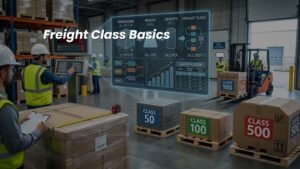
Truckload & LTL Freight Class Basics: A Simple Explanation for LTL Shippers February 23, 2026 / March 20, 2026 by admin@gis | Leave a Comment Freight class is one of the most misunderstood aspects of Less Than Truckload (LTL) shipping. Many unexpected charges in LTL arise from incorrect freight classification. Understanding how freight class works helps businesses avoid reclassification fees and pricing surprises. Freight class is a standardized system used in North America to categorize commodities for LTL pricing. It […] Read more »
Truckload & LTL Why LTL Transit Times Vary (And How to Plan Around It) February 23, 2026 / March 20, 2026 by admin@gis | Leave a Comment Less Than Truckload (LTL) freight operates through a shared carrier network. Unlike Full Truckload (FTL), where cargo moves directly from pickup to delivery, LTL shipments pass through multiple terminals before reaching their destination. This network structure explains why transit times can vary from shipment to shipment. The first factor influencing LTL transit time is routing. […] Read more »
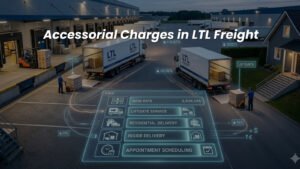
Truckload & LTL Accessorial Charges in LTL Freight: What They Mean and Why They Happen February 20, 2026 / March 20, 2026 by admin@gis | Leave a Comment In Less Than Truckload (LTL) freight, the base rate covers transportation between standard commercial locations with loading docks and regular business hours. However, many shipments involve additional services beyond basic pickup and delivery. These extra services are known as accessorial charges. Accessorial charges are common in LTL because shipments move through structured carrier networks with […] Read more »
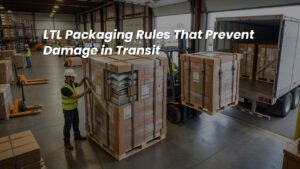
Truckload & LTL LTL Packaging Rules That Prevent Damage in Transit February 20, 2026 / March 20, 2026 by admin@gis | Leave a Comment Less Than Truckload (LTL) freight involves multiple shipments sharing space in a single trailer. Because cargo moves through terminal networks and may be transferred between trucks, proper packaging is critical. Unlike Full Truckload (FTL), where goods remain in one trailer from pickup to delivery, LTL shipments are handled multiple times. This increases exposure to movement, […] Read more »
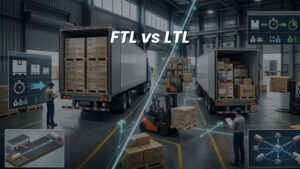
Truckload & LTL FTL vs LTL: How to Choose Based on Shipment Size and Timing February 20, 2026 / March 20, 2026 by admin@gis | Leave a Comment Choosing between Full Truckload (FTL) and Less Than Truckload (LTL) freight depends primarily on shipment size, delivery urgency, and handling sensitivity. While both move goods by road, their structure and operational flow differ significantly. FTL involves reserving an entire trailer for one shipment. The cargo moves directly from pickup to delivery without passing through intermediate […] Read more »
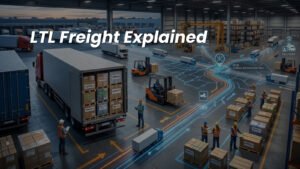
Truckload & LTL LTL Freight Explained: How Shared Truck Networks Operate February 20, 2026 / March 20, 2026 by admin@gis | Leave a Comment Less Than Truckload (LTL) freight is a ground shipping method where multiple shipments from different businesses share space in one trailer. Instead of reserving the entire truck, each shipper pays only for the portion of space their cargo occupies. This makes LTL a cost-effective option for smaller shipments that do not require a full trailer. […] Read more »
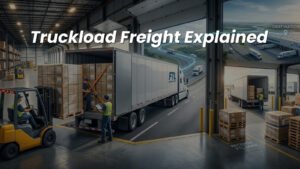
Truckload & LTL Truckload Freight Explained: How FTL Works in Practice February 20, 2026 / March 20, 2026 by admin@gis | Leave a Comment Truckload freight, commonly referred to as FTL (Full Truckload), is a ground shipping method where one shipment occupies the entire trailer. Unlike shared freight models, FTL moves directly from pickup to delivery without combining cargo from multiple shippers. This structure reduces handling, limits transit stops, and offers greater control over timing. In practical terms, FTL […] Read more »