Cross-Border Freight Services
Cross-border freight services support the movement of goods between countries by road or multimodal transportation. These shipments require careful coordination of transportation, documentation, and customs processes to ensure cargo crosses borders without unnecessary delays.
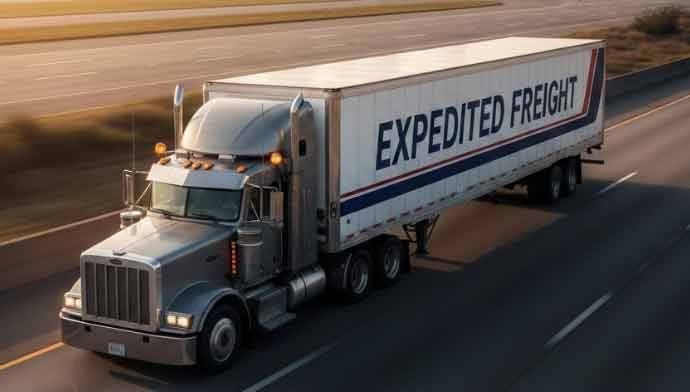
At Gandhi Shipping, cross-border freight services are structured to support predictable, compliant movement of goods across neighboring markets and international trade corridors.
What Is Cross-Border Freight?
Cross-border freight involves transporting cargo from one country to another, typically by truck or a combination of ground, ocean, or air transport. Unlike domestic shipments, cross-border freight requires additional documentation, customs clearance, and regulatory compliance at border points.
A typical cross-border freight process includes:
- Shipment planning and route selection
- Preparation of export and import documentation
- Inland transportation to the border
- Customs clearance and border processing
- Continued transportation to the final destination
Each step must be aligned to avoid delays at border crossings.

When Expedited Freight Is the Right Choice
Expedited freight is commonly used when:
- Production lines risk shutdown due to missing materials
- Customer delivery deadlines cannot be missed
- Inventory shortages require urgent replenishment
- Critical spare parts are needed immediately
- Unexpected disruptions impact standard shipping plans
It is often used as a short-term solution rather than a routine shipping method.
Expedited Freight vs Standard Freight
Expedited freight offers:
- Faster transit times
- Priority handling
- Reduced routing complexity
Expedited freight offers:
- Higher transportation costs
- Limited scheduling flexibility
- Dependence on immediate carrier availability
Standard freight remains more suitable for planned, non-urgent shipments where cost control is a priority.
Common Challenges in Expedited Freight
Expedited shipments can face challenges such as:
- Limited capacity during peak periods
- Higher exposure to cost fluctuations
- Tight documentation timelines
- Increased coordination pressure
Clear shipment details and quick decision-making help reduce these risks.
How Expedited Freight Helps Businesses
Expedited freight supports businesses by:
- Preventing costly production or delivery delays
- Supporting urgent customer commitments
- Providing flexibility during supply chain disruptions
- Enabling rapid response to unexpected situations
It is most effective when used strategically alongside standard freight options.