LTL – Less Than Truckload Freight Services
Less Than Truckload (LTL) freight is a ground transportation option used when a shipment does not require a full truck. Instead of dedicating an entire trailer to one shipment, multiple shipments from different shippers share space on the same truck. This makes LTL a practical and cost-effective option for smaller shipments that still require reliable delivery.
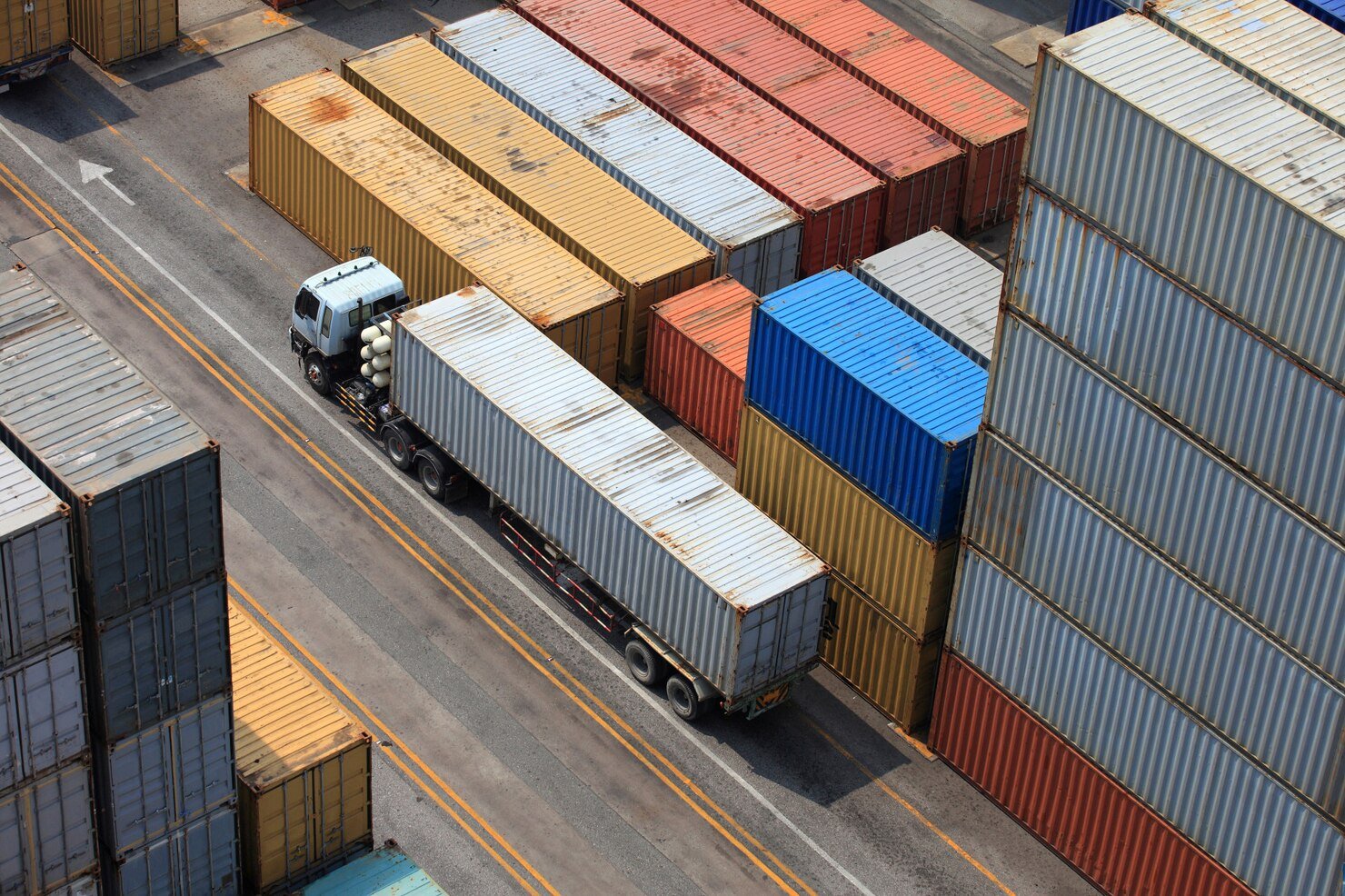
At Gandhi Shipping, LTL services are designed to support regular distribution, regional deliveries, and smaller-volume freight with structured coordination and dependable execution.
What Is LTL Freight?
In LTL freight, shipments are collected from multiple shippers, consolidated at terminals, and transported through a hub-and-spoke network before reaching their final destinations. Each shipment remains separate and individually documented, even though it shares truck space during transit.
A typical LTL process includes:
- Pickup from the shipper’s location
- Consolidation at an LTL terminal
- Line-haul transportation between terminals
- Deconsolidation and final delivery
Because shipments move through multiple facilities, proper packaging and accurate labeling are essential.
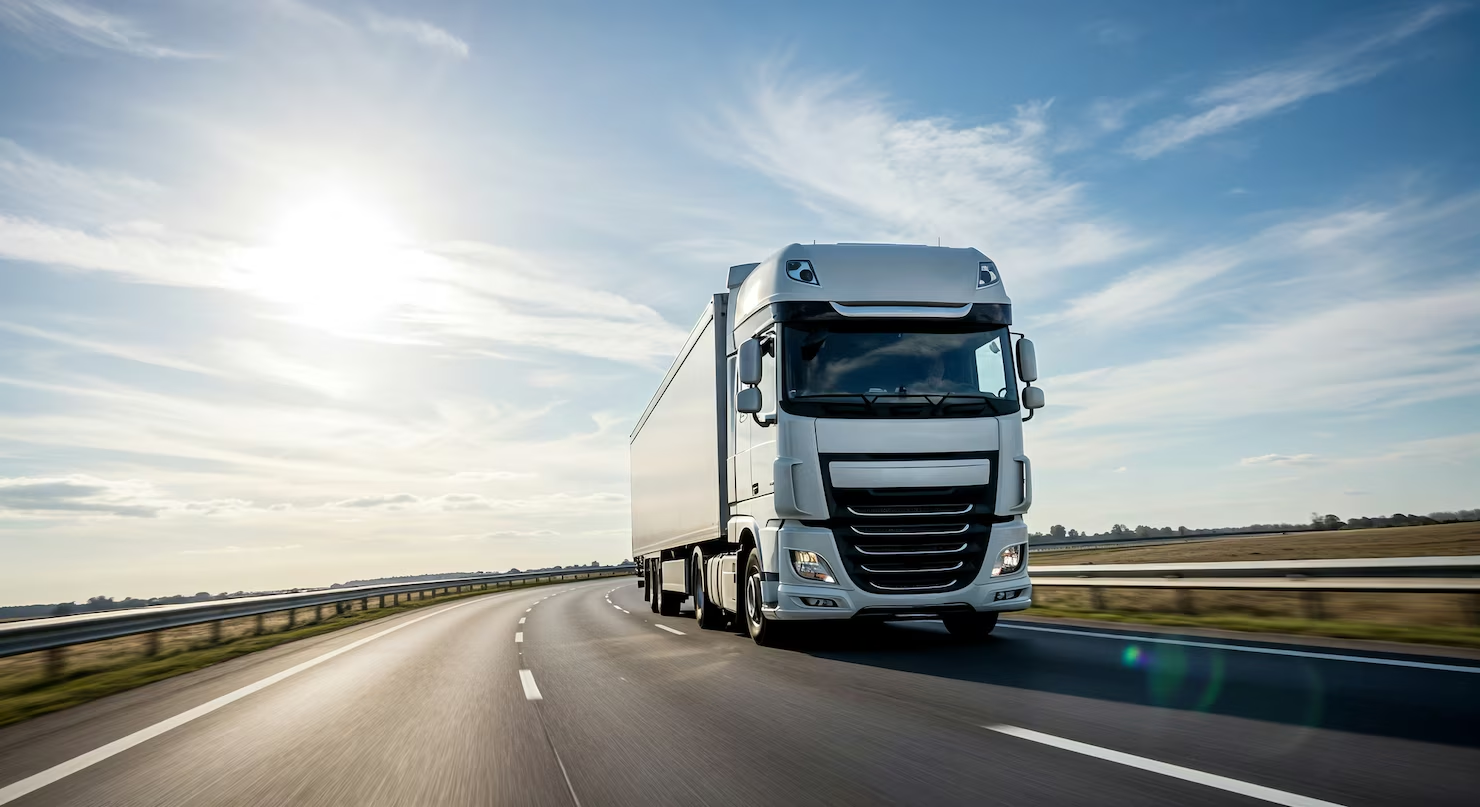
When LTL Freight Is the Right Choice
LTL freight is commonly chosen when:
- Shipment size is too small for a full truck
- Cost efficiency is more important than transit speed
- Shipments move regularly in smaller volumes
- Distribution is regional or domestic
- Inventory replenishment happens frequently
LTL provides flexibility without the cost of dedicated truck capacity.
LTL vs Truckload (FTL)
LTL freight offers:
- Lower shipping costs for smaller shipments
- Shared truck capacity
- Flexible shipment sizes
However, LTL may involve:
- Longer transit times compared to direct truckload
- More handling points
- Greater sensitivity to packaging and documentation accuracy
Truckload freight is often preferred for large, time-sensitive, or high-value shipments.
Common Challenges in LTL Freight
LTL shipments can face challenges such as:
- Delays caused by terminal transfers
- Risk of damage due to multiple handling points
- Accessorial charges for special services
- Variability in transit times
Proper packaging, clear labeling, and realistic scheduling help reduce these issues.
How LTL Freight Helps Businesses
LTL freight supports businesses by:
- Making ground transportation affordable for smaller loads
- Supporting regular distribution cycles
- Allowing flexible shipment volumes
- Reducing the need for full truck capacity
It is widely used as part of a balanced freight strategy alongside truckload services.