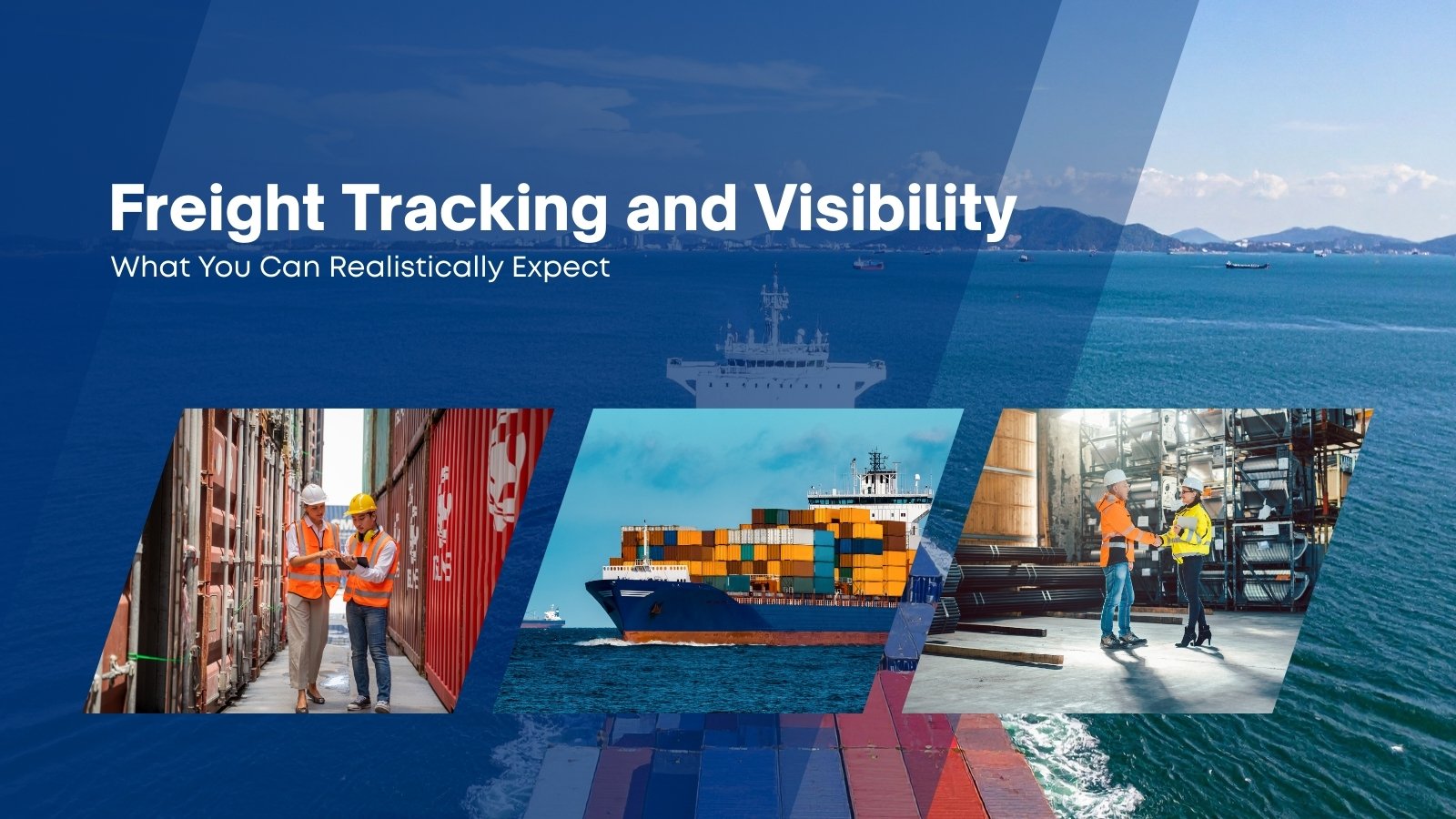
Freight tracking and shipment visibility have become standard expectations in modern logistics. Businesses want to know where their cargo is, when it will arrive, and whether any delays are developing. While tracking technology has improved significantly, it is important to understand what visibility can and cannot realistically provide.
Freight tracking refers to the ability to monitor a shipment as it moves from origin to destination. This can include status updates at pickup, terminal transfers, border crossings, port departures, arrivals, and final delivery. Different transportation modes offer different levels of visibility.
In truckload (FTL) shipments, tracking often relies on GPS-enabled tractors or driver check-ins. Updates can be relatively frequent because the shipment moves directly from pickup to delivery with limited stops. Less-than-truckload (LTL) shipments move through terminal networks, and visibility is usually updated when freight is scanned at each transfer point.
Ocean freight tracking typically provides milestone-based updates rather than continuous movement data. Status notifications are often tied to vessel departure, port arrival, customs clearance, and container release events. Because vessels follow fixed schedules, real-time updates during ocean transit may be limited compared to road transport.
Air freight tracking generally provides detailed status updates through airline systems, including cargo acceptance, flight departure, arrival, and customs processing milestones. However, weather disruptions and capacity changes can still affect final timelines.
Visibility systems help businesses plan inventory, coordinate warehouse labor, and communicate with customers. When integrated properly, tracking tools can reduce uncertainty and improve operational decision-making.
However, tracking is not the same as guaranteed delivery. Visibility tools provide information, but they do not eliminate risks such as congestion, inspections, or weather-related disruptions. Businesses should treat tracking as a planning tool rather than a substitute for contingency planning.
Another realistic consideration is update frequency. Some systems provide automated notifications, while others depend on manual scans. Delays in data entry can temporarily create gaps in visibility, even when shipments are moving normally.
Effective freight visibility also depends on accurate shipment data. Incorrect reference numbers, incomplete documentation, or mismatched tracking details can prevent systems from displaying updates properly. Ensuring accurate documentation at dispatch improves tracking accuracy.
In multimodal shipments—such as ocean freight combined with trucking—visibility may shift between platforms depending on the stage of transit. Coordination between carriers and logistics teams ensures continuity of information.
Ultimately, freight tracking enhances transparency but does not replace careful planning. Businesses that combine visibility tools with realistic transit expectations and proactive communication experience fewer disruptions and better overall supply chain control.
Frequently Asked Questions
Is freight tracking real-time?
Some truckload shipments may provide near real-time updates, but many modes rely on milestone-based tracking.
Why do tracking updates sometimes pause?
Updates depend on scans or system inputs. If a shipment is in transit without transfer points, visible updates may be limited.
Does tracking prevent delays?
No. Tracking provides information but does not eliminate operational disruptions.
Can all freight modes be tracked the same way?
No. Each mode—truck, ocean, air—has different tracking capabilities and update frequency.
How can I improve shipment visibility?
Provide accurate shipment details, confirm reference numbers, and coordinate closely with logistics partners.