Operational Framework
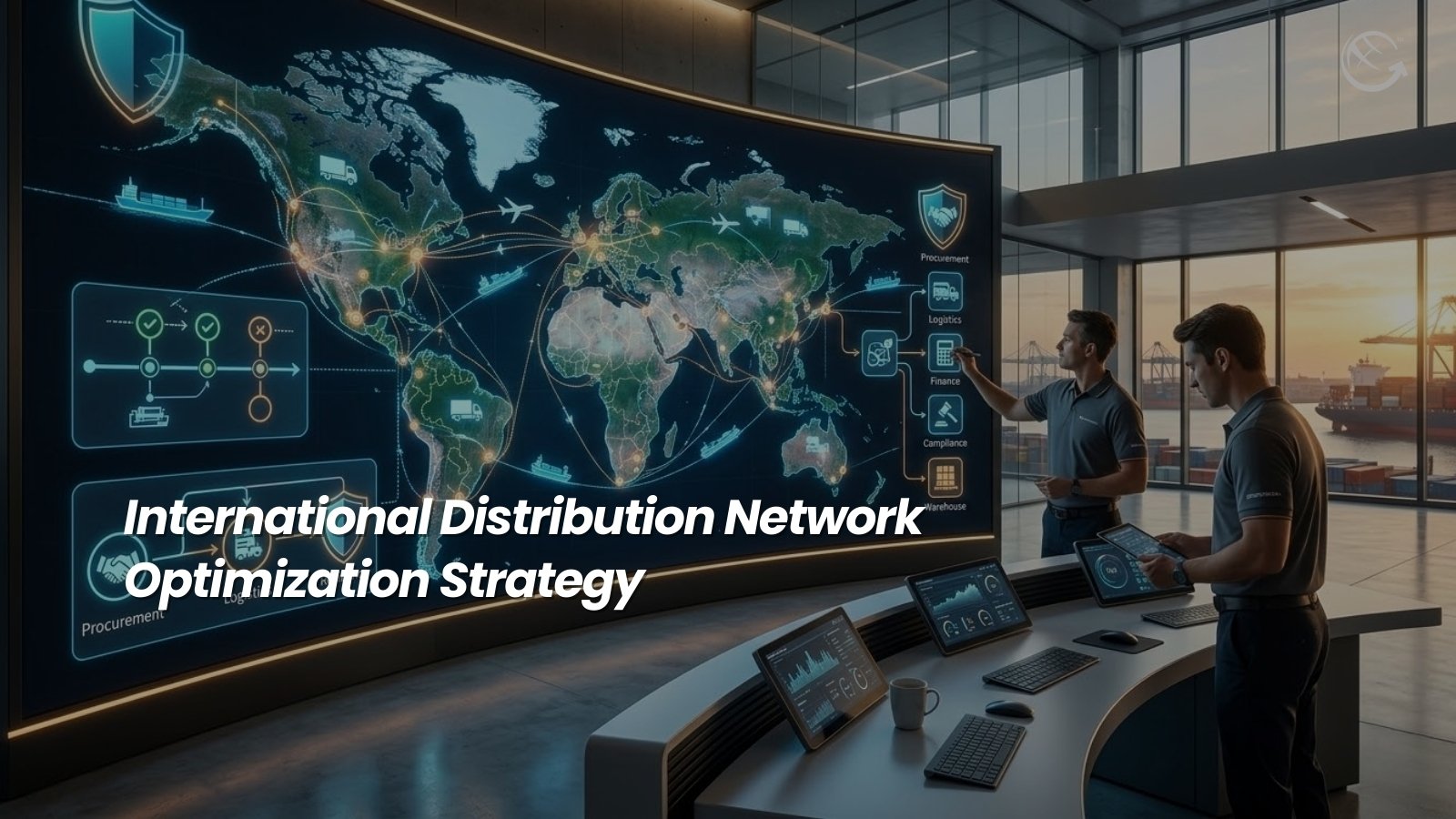
Operational success depends on synchronization between procurement, logistics, finance, and compliance teams. Shipment planning must integrate documentation validation, carrier scheduling, warehouse staging, and milestone tracking. Breakdowns most often occur at handoff points—origin release, port transfer, customs inspection, or final-mile dispatch. Cross-functional communication, early documentation review, and structured oversight reduce escalation frequency and improve supply chain stability.
Operational success depends on synchronization between procurement, logistics, finance, and compliance teams. Shipment planning must integrate documentation validation, carrier scheduling, warehouse staging, and milestone tracking. Breakdowns most often occur at handoff points—origin release, port transfer, customs inspection, or final-mile dispatch. Cross-functional communication, early documentation review, and structured oversight reduce escalation frequency and improve supply chain stability.
Operational success depends on synchronization between procurement, logistics, finance, and compliance teams. Shipment planning must integrate documentation validation, carrier scheduling, warehouse staging, and milestone tracking. Breakdowns most often occur at handoff points—origin release, port transfer, customs inspection, or final-mile dispatch. Cross-functional communication, early documentation review, and structured oversight reduce escalation frequency and improve supply chain stability.
Operational success depends on synchronization between procurement, logistics, finance, and compliance teams. Shipment planning must integrate documentation validation, carrier scheduling, warehouse staging, and milestone tracking. Breakdowns most often occur at handoff points—origin release, port transfer, customs inspection, or final-mile dispatch. Cross-functional communication, early documentation review, and structured oversight reduce escalation frequency and improve supply chain stability.
Process Execution in Practice
Execution typically begins with demand forecasting and transport planning. Documentation review precedes physical movement. Freight transitions through staging, loading, transport, inspection, and delivery checkpoints. Structured checklists reduce avoidable delays and prevent corrective amendments at border or terminal facilities. Cross-functional communication, early documentation review, and structured oversight reduce escalation frequency and improve supply chain stability.
Execution typically begins with demand forecasting and transport planning. Documentation review precedes physical movement. Freight transitions through staging, loading, transport, inspection, and delivery checkpoints. Structured checklists reduce avoidable delays and prevent corrective amendments at border or terminal facilities. Cross-functional communication, early documentation review, and structured oversight reduce escalation frequency and improve supply chain stability.
Execution typically begins with demand forecasting and transport planning. Documentation review precedes physical movement. Freight transitions through staging, loading, transport, inspection, and delivery checkpoints. Structured checklists reduce avoidable delays and prevent corrective amendments at border or terminal facilities. Cross-functional communication, early documentation review, and structured oversight reduce escalation frequency and improve supply chain stability.
Execution typically begins with demand forecasting and transport planning. Documentation review precedes physical movement. Freight transitions through staging, loading, transport, inspection, and delivery checkpoints. Structured checklists reduce avoidable delays and prevent corrective amendments at border or terminal facilities. Cross-functional communication, early documentation review, and structured oversight reduce escalation frequency and improve supply chain stability.
Cost Structure and Commercial Exposure
Cost elements include base freight rates, handling fees, storage exposure, fuel volatility, inspection labor, insurance premiums, reclassification adjustments, and contractual penalties such as demurrage or detention. Landed cost predictability improves when documentation and scheduling are aligned before departure. Cross-functional communication, early documentation review, and structured oversight reduce escalation frequency and improve supply chain stability.
Cost elements include base freight rates, handling fees, storage exposure, fuel volatility, inspection labor, insurance premiums, reclassification adjustments, and contractual penalties such as demurrage or detention. Landed cost predictability improves when documentation and scheduling are aligned before departure. Cross-functional communication, early documentation review, and structured oversight reduce escalation frequency and improve supply chain stability.
Cost elements include base freight rates, handling fees, storage exposure, fuel volatility, inspection labor, insurance premiums, reclassification adjustments, and contractual penalties such as demurrage or detention. Landed cost predictability improves when documentation and scheduling are aligned before departure. Cross-functional communication, early documentation review, and structured oversight reduce escalation frequency and improve supply chain stability.
Cost elements include base freight rates, handling fees, storage exposure, fuel volatility, inspection labor, insurance premiums, reclassification adjustments, and contractual penalties such as demurrage or detention. Landed cost predictability improves when documentation and scheduling are aligned before departure. Cross-functional communication, early documentation review, and structured oversight reduce escalation frequency and improve supply chain stability.
Compliance and Regulatory Alignment
Compliance involves accurate classification, valuation consistency, trade agreement validation, and audit-ready documentation archives. Regulatory frameworks evolve, requiring periodic review of SOPs and training for internal teams. Organizations that treat compliance as strategic infrastructure experience fewer operational disruptions. Cross-functional communication, early documentation review, and structured oversight reduce escalation frequency and improve supply chain stability.
Compliance involves accurate classification, valuation consistency, trade agreement validation, and audit-ready documentation archives. Regulatory frameworks evolve, requiring periodic review of SOPs and training for internal teams. Organizations that treat compliance as strategic infrastructure experience fewer operational disruptions. Cross-functional communication, early documentation review, and structured oversight reduce escalation frequency and improve supply chain stability.
Compliance involves accurate classification, valuation consistency, trade agreement validation, and audit-ready documentation archives. Regulatory frameworks evolve, requiring periodic review of SOPs and training for internal teams. Organizations that treat compliance as strategic infrastructure experience fewer operational disruptions. Cross-functional communication, early documentation review, and structured oversight reduce escalation frequency and improve supply chain stability.
Compliance involves accurate classification, valuation consistency, trade agreement validation, and audit-ready documentation archives. Regulatory frameworks evolve, requiring periodic review of SOPs and training for internal teams. Organizations that treat compliance as strategic infrastructure experience fewer operational disruptions. Cross-functional communication, early documentation review, and structured oversight reduce escalation frequency and improve supply chain stability.
Risk Management Strategy
Risk management incorporates time buffers, alternate routing options, secondary carriers, insurance review, and inventory safety stock. Scenario modeling—best case, expected case, disruption case—improves resilience during capacity shortages or inspection events. Cross-functional communication, early documentation review, and structured oversight reduce escalation frequency and improve supply chain stability.
Risk management incorporates time buffers, alternate routing options, secondary carriers, insurance review, and inventory safety stock. Scenario modeling—best case, expected case, disruption case—improves resilience during capacity shortages or inspection events. Cross-functional communication, early documentation review, and structured oversight reduce escalation frequency and improve supply chain stability.
Risk management incorporates time buffers, alternate routing options, secondary carriers, insurance review, and inventory safety stock. Scenario modeling—best case, expected case, disruption case—improves resilience during capacity shortages or inspection events. Cross-functional communication, early documentation review, and structured oversight reduce escalation frequency and improve supply chain stability.
Risk management incorporates time buffers, alternate routing options, secondary carriers, insurance review, and inventory safety stock. Scenario modeling—best case, expected case, disruption case—improves resilience during capacity shortages or inspection events. Cross-functional communication, early documentation review, and structured oversight reduce escalation frequency and improve supply chain stability.
Technology and Visibility
Digital tracking systems enhance milestone visibility, but process discipline remains essential. Automated validation tools flag documentation inconsistencies before submission. Control tower models centralize oversight and accelerate escalation when anomalies occur. Cross-functional communication, early documentation review, and structured oversight reduce escalation frequency and improve supply chain stability.
Digital tracking systems enhance milestone visibility, but process discipline remains essential. Automated validation tools flag documentation inconsistencies before submission. Control tower models centralize oversight and accelerate escalation when anomalies occur. Cross-functional communication, early documentation review, and structured oversight reduce escalation frequency and improve supply chain stability.
Digital tracking systems enhance milestone visibility, but process discipline remains essential. Automated validation tools flag documentation inconsistencies before submission. Control tower models centralize oversight and accelerate escalation when anomalies occur. Cross-functional communication, early documentation review, and structured oversight reduce escalation frequency and improve supply chain stability.
Digital tracking systems enhance milestone visibility, but process discipline remains essential. Automated validation tools flag documentation inconsistencies before submission. Control tower models centralize oversight and accelerate escalation when anomalies occur. Cross-functional communication, early documentation review, and structured oversight reduce escalation frequency and improve supply chain stability.
Strategic Planning Considerations
Long-term planning must consider seasonality, capacity cycles, infrastructure constraints, geopolitical shifts, and contractual allocation of responsibility. Integrated planning converts volatility into manageable variability. Cross-functional communication, early documentation review, and structured oversight reduce escalation frequency and improve supply chain stability.
Long-term planning must consider seasonality, capacity cycles, infrastructure constraints, geopolitical shifts, and contractual allocation of responsibility. Integrated planning converts volatility into manageable variability. Cross-functional communication, early documentation review, and structured oversight reduce escalation frequency and improve supply chain stability.
Long-term planning must consider seasonality, capacity cycles, infrastructure constraints, geopolitical shifts, and contractual allocation of responsibility. Integrated planning converts volatility into manageable variability. Cross-functional communication, early documentation review, and structured oversight reduce escalation frequency and improve supply chain stability.
Long-term planning must consider seasonality, capacity cycles, infrastructure constraints, geopolitical shifts, and contractual allocation of responsibility. Integrated planning converts volatility into manageable variability. Cross-functional communication, early documentation review, and structured oversight reduce escalation frequency and improve supply chain stability.
Frequently Asked Questions
What causes most logistics disruptions?
Documentation inconsistencies and capacity volatility are common drivers.
How can companies reduce financial exposure?
Through compliance verification, cost forecasting, and contingency planning.
Does technology eliminate operational risk?
No, but it enhances visibility and accelerates corrective action.