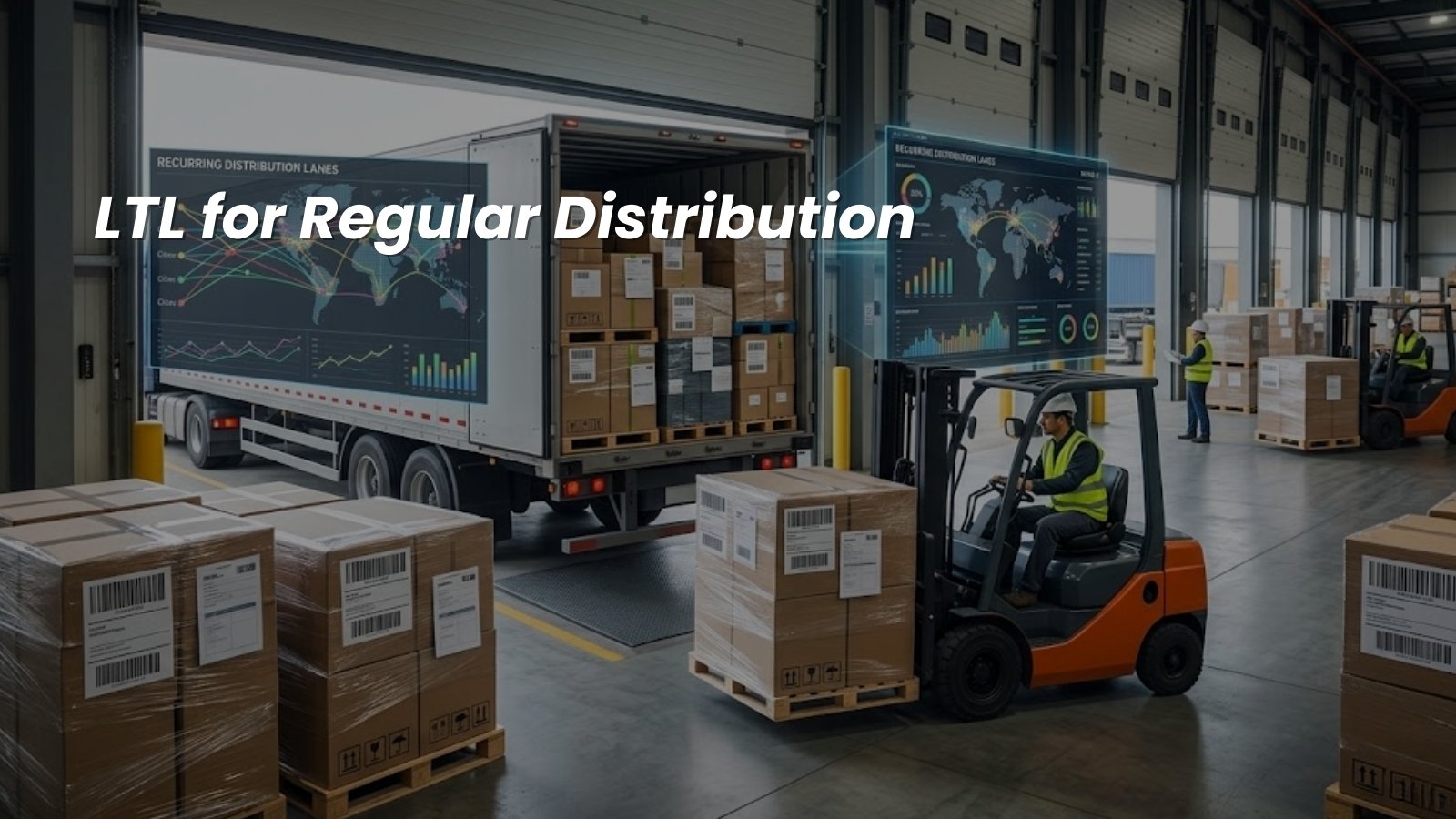
Many businesses rely on Less Than Truckload (LTL) freight for recurring distribution to retailers, warehouses, or regional partners. While LTL is cost-efficient for mid-sized shipments, consistency depends on structured planning and repeatable processes. When used strategically, LTL can support steady inventory flow without requiring full truckloads.
The first best practice is shipment standardization. Using consistent pallet sizes, packaging methods, and labeling formats reduces handling variability. Standardized freight moves more smoothly through carrier terminal networks and lowers the risk of reclassification or damage.
Accurate forecasting improves reliability. Businesses shipping on a recurring schedule should align pickup days and volume estimates with carrier capacity patterns. Regular lanes often perform better when shipment timing remains predictable.
Clear communication with consignees prevents delivery disruptions. Confirming dock hours, appointment requirements, and unloading capabilities ensures freight does not face delays at destination. Missed delivery windows can extend transit times and increase costs.
Freight class accuracy is critical in recurring distribution. Repeated misclassification can result in frequent billing adjustments and operational delays. Verifying dimensions and weight at the outset helps avoid recurring corrections.
Performance tracking helps identify trends. Monitoring transit times, claim frequency, and service consistency allows businesses to adjust schedules or routing strategies if necessary. Over time, consistent LTL lanes become more predictable when data is reviewed regularly.
Packaging quality should remain consistent across shipments. Even small variations in pallet stability can affect handling outcomes. Reinforced packaging protects against vibration and stacking pressure during terminal transfers.
Building relationships with carriers or logistics partners also improves coordination. Familiarity with shipment patterns helps carriers anticipate volume and manage space more efficiently.
LTL is particularly effective for regional distribution where shipment sizes remain below full truck capacity but move frequently. When planning is structured and communication is clear, LTL supports reliable replenishment cycles without unnecessary cost.
Frequently Asked Questions
Is LTL suitable for recurring shipments?
Yes. It works well for consistent mid-sized loads.
How can businesses improve reliability?
Through standardized packaging and predictable scheduling.
Why is freight class important in regular distribution?
Incorrect classification leads to repeated billing and operational issues.
Does LTL work for regional supply chains?
Yes. Regional lanes often perform efficiently within shared networks.
What improves long-term LTL consistency?
Clear communication, accurate data, and performance tracking.